
Every pet owner wants their animal to live a long, healthy life. Vaccinations are one of the most direct and cost-effective ways to protect that health, yet they are also one of the most misunderstood components of routine veterinary care. Some owners follow vaccination schedules without fully understanding what they are protecting against or why the timing matters. Others delay or skip vaccines because their pet stays indoors, seems healthy, or because they are uncertain about what their pet needs versus what is being recommended out of habit.
The reality is that veterinary vaccines are not a formality or a box to check on an annual wellness visit. They are the result of decades of research into the diseases that cause the most suffering and death in companion animals, and they represent one of the clearest cases in veterinary medicine where a small preventive investment protects against outcomes that are expensive, painful, and in many cases fatal. This guide explains how vaccines work, which ones your pet needs and when, what the difference is between core and non-core vaccines, and what to look for in a veterinary vaccine clinic that takes your pet’s immunization health as seriously as you do.
How Veterinary Vaccines Actually Work
Understanding what a vaccine does inside your pet’s body clarifies why the timing and scheduling of vaccination matters and why a single vaccine is not always sufficient to establish lasting protection.
A veterinary vaccine introduces the immune system to a pathogen, a virus or bacterium, in a form that triggers an immune response without causing the disease the pathogen would normally produce. That immune response produces antibodies and, critically, immunological memory: the immune system’s ability to recognize and respond rapidly to that pathogen if the animal is exposed to it in the future. That rapid response is what prevents the disease from taking hold or significantly reduces its severity.
In young animals, maternal antibodies passed through the mother’s colostrum provide early protection but also interfere with vaccine response. This is why puppy and kitten vaccination series are spaced across multiple visits; the series is designed to catch the window when maternal antibodies have declined enough that the vaccine can stimulate a genuine immune response in the young animal. A single vaccine given at the wrong time, when maternal antibodies are still blocking the response, may produce minimal protection even though the vaccine was technically administered.
Booster vaccines serve a different function. Over time, the immune memory established by initial vaccination can wane. Booster doses restimulate that memory and maintain the level of protection the animal needs. The interval between boosters is determined by research into how long protection from specific vaccines lasts in the populations being vaccinated, some veterinary vaccines maintain protection for three years, others require annual boosting to maintain adequate protection levels.
Core Vaccines: What Every Pet Needs Regardless of Lifestyle
Core vaccines are those recommended for every dog or every cat regardless of their lifestyle, geographic location, or level of exposure to other animals. They cover diseases that are either widespread enough that exposure risk exists for virtually every animal, severe enough that the consequences of infection are unacceptable even at low exposure risk, or both.
Core Vaccines for Dogs
Rabies vaccination is legally required in most jurisdictions for a reason that goes beyond the protection of the individual animal. Rabies is a fatal disease that is transmissible to humans, and vaccination of the domestic animal population is a public health measure as much as a veterinary one. The legal requirement does not make rabies vaccination optional in the sense that some pet owners treat it, an unvaccinated dog that bites a person creates a public health situation that has serious consequences for both the animal and the owner regardless of whether the bite resulted in transmission.
Distemper, parvovirus, adenovirus, and parainfluenza are typically combined in a single vaccine that is a cornerstone of the puppy vaccination series and a regularly administered booster in adult dogs. Canine distemper is a serious viral disease affecting multiple organ systems. Canine parvovirus is one of the most severe diseases in unvaccinated dogs, with a high mortality rate in puppies even with aggressive treatment. These are not theoretical risks; they are diseases that continue to circulate in unvaccinated populations and that vaccinated dogs are reliably protected against by veterinary vaccines that have decades of safety and efficacy data behind them.
Core Vaccines for Cats
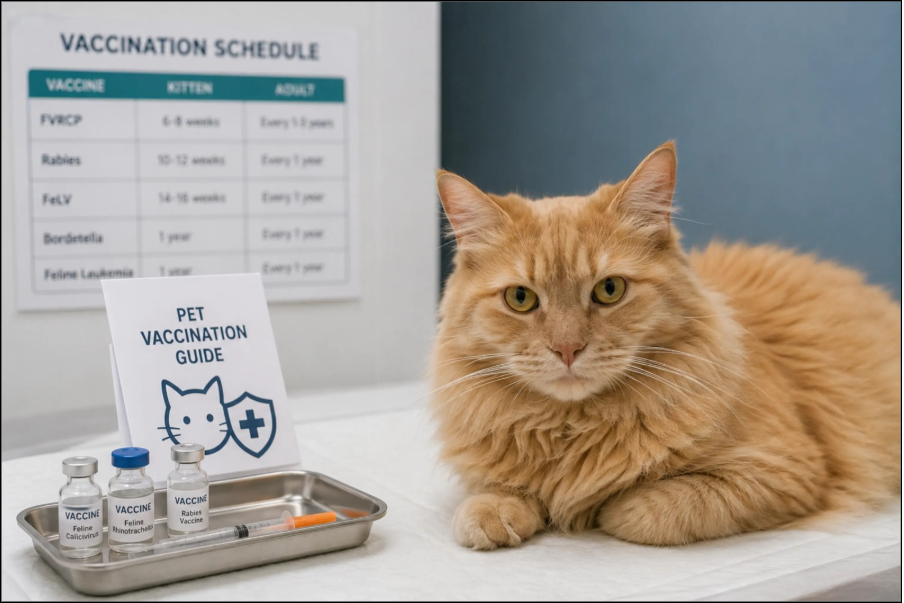
Feline panleukopenia, feline herpesvirus, and feline calicivirus are combined in the FVRCP vaccine that is the foundation of feline vaccination. Feline panleukopenia is a highly contagious and potentially fatal disease. Herpesvirus and calicivirus are the primary causes of feline upper respiratory infections that can become chronic, debilitating conditions in cats that were not vaccinated against them.
Rabies vaccination is equally important for cats as for dogs and is legally required in many jurisdictions regardless of whether the cat lives exclusively indoors. Indoor cats have more exposure potential than their owners typically recognize, a cat that escapes briefly, a bat that enters the home through an unsecured gap, or contact with another animal through a window screen all represent potential rabies exposure events for animals that were assumed to have no exposure risk.
The assumption that an indoor cat does not need core vaccines is one of the most common and most consequential vaccination misconceptions in feline medicine. Core veterinary vaccines protect against diseases that an indoor cat can encounter in scenarios that are more common than most owners anticipate.
Non-Core Vaccines: What Your Pet May Need Based on Lifestyle and Risk
Non-core vaccines are those recommended selectively based on the individual animal’s lifestyle, geographic location, and exposure risk. They cover diseases that are significant but that not every animal encounters at a level of risk that justifies routine vaccination.
Bordetella and Canine Influenza
Bordetella bronchiectasis is a primary bacterial component of canine infectious tracheobronchitis, kennel cough, a highly contagious respiratory disease that spreads rapidly in environments where dogs are in close contact with each other. For dogs that attend doggy daycare, visit boarding facilities, attend dog parks, or interact regularly with groups of other dogs, Bordetella vaccination is a practical necessity rather than an optional extra. Most reputable boarding and daycare facilities require current Bordetella vaccination as a condition of entry.
Canine influenza is a respiratory disease caused by influenza viruses adapted to dogs. It circulates at varying levels in different geographic areas and is particularly relevant for dogs with high social exposure. A veterinary vaccine clinic with current knowledge of local disease patterns can advise on whether canine influenza vaccination is appropriate for your dog based on both their lifestyle and the current prevalence of the virus in your area.
Leptospirosis
Leptospirosis is a bacterial disease transmitted through contact with water or soil contaminated by the urine of infected wildlife, rodents, deer, raccoons, and other animals that share environments with dogs. It causes serious kidney and liver disease and is transmissible to humans, making it a public health concern as well as a veterinary one. Dogs with outdoor exposure, dogs that swim in natural water sources, and dogs in geographic areas with high wildlife density benefit from leptospirosis vaccination.
Lyme Disease
Lyme disease vaccination is appropriate for dogs in tick-endemic areas or dogs that spend significant time in tick habitat, wooded areas, tall grass, brush. The vaccine reduces the risk of disease from Borrelia burgdorferi transmitted by deer ticks and is most effective as part of a comprehensive tick prevention strategy that includes topical or oral tick preventives alongside vaccination.
Feline Leukaemia Virus
FeLV vaccination is recommended for cats with outdoor access or exposure to other cats whose FeLV status is unknown. Feline leukaemia virus is a significant cause of cancer and immune suppression in cats and is transmitted through close contact between cats. Indoor-only cats with no exposure to other cats are at lower risk, but cats that go outdoors, live with other cats, or have any potential exposure to unknown cats’ benefit from FeLV vaccination.
The Puppy and Kitten Vaccination Series: Why It Is Structured the Way It Is
The vaccination series for puppies and kittens is one of the most important periods in an animal’s immunological development, and the structure of that series, multiple visits at specific intervals, reflects the biological reality of how maternal antibody interference and vaccine response work in young animals.
Puppies typically begin their vaccination series at six to eight weeks of age and receive boosters every three to four weeks until sixteen weeks of age. The reason for multiple visits is not redundancy; it is the need to ensure that at least one dose is administered after maternal antibody levels have declined enough to allow a full vaccine response. Because the timing of that decline varies between individual puppies, the series is designed to cover the window across which most puppies will be able to mount a full response.
Kittens follow a similar series structure for the same biological reasons. FVRCP vaccination begins at six to eight weeks and continues at intervals until sixteen weeks. Rabies vaccination is given at the appropriate age based on local regulations and product labelling. FeLV vaccination for kittens with any potential outdoor exposure begins at eight weeks with a booster following the initial dose.
Missing appointments in the puppy or kitten series or extending the intervals between doses beyond what is recommended resets the series in some protocols or leaves gaps in the protection that the series is designed to establish. Completing the full series on schedule is one of the most important things a new pet owner can do for their animal’s long-term health.
Adult Vaccination: Maintaining Protection Over a Lifetime
Once the initial puppy or kitten series is complete, vaccination continues throughout the animal’s life on a schedule determined by the specific vaccines administered, the product used, and current guidelines from veterinary organizations that review vaccine efficacy and duration of immunity research on an ongoing basis.
Rabies vaccination for adult dogs and cats is administered at one-year intervals or three-year intervals depending on the product used and local regulations. The distinction between one-year and three-year rabies vaccines is real, three-year products have been tested and demonstrated to maintain protective immunity over that period, and administering a one-year product annually when a three-year product has been used is unnecessary. A veterinary vaccine clinic that maintains accurate vaccination records manages this distinction correctly.
Core combination vaccines, DHPP for dogs, FVRCP for cats, are bolstered one year after the completion of the initial series and then at three-year intervals in adult animals under current guidelines for most products. The shift from annual boosters to three-year intervals for these vaccines reflects updated understanding of duration of immunity and is supported by current veterinary consensus rather than representing a reduction in the standard of care.
Non-core vaccines that require annual boosting, Bordetella, leptospirosis, canine influenza, are administered on annual schedules for animals whose lifestyle maintains their exposure risk. Annual wellness visits create the opportunity to reassess which vaccines are appropriate based on any changes in lifestyle, geographic location, or exposure risk that have occurred in the past year.
Vaccine Safety: What the Evidence Actually Says
Vaccine reactions in pets are real and worth understanding, but they need to be understood in proportion to the risks of the disease’s vaccines prevent rather than in isolation. Mild vaccine reactions, temporary soreness at the injection site, mild lethargy for a day or two following vaccinations, are common and self-limiting. They reflect the immune system responding to the vaccine, which is the intended mechanism of action.
Serious vaccine reactions, anaphylaxis, significant swelling, persistent vomiting, are rare but do occur and require veterinary attention. A veterinary vaccine clinic that monitors patients for an appropriate period after vaccination and has clear guidance for owners about what signs warrant a follow-up call is equipped to identify and manage reactions appropriately.
The concern about over-vaccination, administering vaccines more frequently than necessary, has driven the development of three-year protocols and titre testing as an alternative to automatic boosters. Titre testing measures the level of antibody in a patient’s blood and can confirm whether protective immunity is present without administering a booster dose. For pet owners who have concerns about vaccination frequency for specific animals, titre testing in consultation with a veterinarian provides an evidence-based approach to individualized vaccination decisions.
The risk-benefit calculation for veterinary vaccines is not abstract. The diseases they prevent cause real suffering and real death in unvaccinated animals. The decision to vaccinate is a decision to protect the animal and, for zoonotic diseases, the people who live with and around them.
What to Look for in a Veterinary Vaccine Clinic
Not every facility that offers vaccination services provides the same level of care. These are the factors that distinguish a veterinary vaccine clinic that takes immunization health seriously from one that treats vaccination as a transactional service.
Current Knowledge of Vaccine Guidelines
Vaccination recommendations are updated periodically as new research on duration of immunity, emerging diseases, and vaccine safety accumulates. A veterinary practice that is still administering annual core boosters on a schedule that was standard fifteen years ago but has been superseded by current evidence is one that is not keeping its protocols current. A veterinary vaccine clinic that follows current guidelines from veterinary organizations and can explain the rationale for their vaccination recommendations demonstrates the kind of professional engagement with current evidence that should characterize every aspect of veterinary practice.
Individual Risk Assessment
Cookie-cutter vaccination protocols that are applied to every patient regardless of lifestyle, geographic location, or health status miss the opportunity to tailor vaccination to the individual animal’s actual risk profile. A veterinary vaccine clinic that asks about your pet’s lifestyle, exposure to other animals, outdoor access, and geographic history before making vaccination recommendations is one that treats each patient as an individual rather than as a protocol to be executed.
Accurate Record Keeping
Vaccination records that accurately document which products were used, the date of administration, the lot number, and when boosters are due are the foundation of a vaccination program that can be managed intelligently over the pet’s lifetime. Incomplete records lead to missed boosters, unnecessary re-vaccination, and uncertainty about protection status. A practice that maintains complete, accurate vaccination records and provides those records to owners in a format they can keep, and share is one that takes the administrative responsibility of vaccination seriously.
Integration With Comprehensive Wellness Care
Vaccination is most valuable as part of a comprehensive wellness program that includes physical examination, parasite prevention, dental assessment, and nutritional guidance. A veterinary vaccine clinic that integrates vaccination into a broader wellness visit rather than offering vaccination as a standalone service without examination is providing the kind of comprehensive care that catches health issues early and manages the whole animal rather than just the immunization schedule.
Why Texas Wellness Centre Makes Staying Current on Your Pet’s Vaccines Easier
Staying current on your pet’s veterinary vaccines when you are navigating a schedule that varies by species, age, lifestyle, and which products were previously used takes more organization than most pet owners feel equipped to manage without support. Texas Wellness Centre simplifies the entire process by giving you direct access to veterinary professionals who maintain accurate records, follow current vaccination guidelines, and make individualized recommendations based on your specific pet’s health status and lifestyle rather than applying a standard protocol to every patient regardless of their circumstances.
Whether your pet needs a complete puppy or kitten series to establish foundational protection, adult boosters to maintain the immunity that prior vaccination established, or a lifestyle-based assessment of which non-core veterinary vaccine options are appropriate given how your pet lives and where they spend their time, Texas Wellness Centre works with pet owners to build a vaccination plan that protects the animal without over-vaccinating and without leaving gaps that exposure risk makes significant.
You get clear explanations of what each vaccine protects against and why it is being recommended for your specific pet, accurate records that travel with you, and reminders that keep your pet’s protection current without requiring you to track every due date independently. For pet owners who want vaccination handled by people who treat immunization health as the serious medical matter it is, Texas Wellness Centre is the straightforward starting point most people wish they had found before their pet’s vaccine records became a confusing mix of incomplete documentation and uncertain schedules.
Final Thought
Veterinary vaccines are one of the most thoroughly validated interventions in all of medicine. The diseases they prevent are real, the protection they provide is measurable, and the gap in outcomes between vaccinated and unvaccinated animal populations is documented across decades of veterinary epidemiology. The decision to keep your pet current on appropriate vaccines is one of the clearest and most cost-effective things you can do for their long-term health.
The schedule matters. The products used matter. The individual risk assessment that determines which non-core vaccines are appropriate matters. And the quality of the veterinary vaccine clinic that manages your pet’s immunization health over their lifetime matters in ways that a single vaccination event does not reveal.
Vaccines work when they are given correctly, on schedule, to animals whose immune systems are ready to respond to them, and as part of a comprehensive wellness program that monitors the whole animal rather than just the immunization record. That is the standard worth holding every practice to and the standard that protects your pet the way they deserve to be protected.
Keep your pet protected with veterinary care that takes vaccination seriously.
Give your pet the protection they deserve → txwellness.com