
Quick Answer: Cat grooming and dog grooming may look similar on the surface, but they differ in frequency, technique, and tolerance for handling. Cats are natural self-groomers and typically need less frequent professional care, mostly focused on nail trims, mat prevention, and occasional baths. Dogs, especially longer-haired breeds, usually need more regular dog grooming services, including brushing, bathing, and haircuts. Knowing these differences helps you choose the right routine and the right groomer for your pet.
Many pet owners assume grooming is grooming, no matter the animal. In reality, cats and dogs have very different grooming needs based on their coat type, behavior, and natural habits. Understanding these differences helps keep your pet healthier, more comfortable, and less stressed during grooming visits.
How Cat Grooming Differs From Dog Grooming
Cat grooming is generally lighter-touch than dog grooming, mainly because cats already spend a large part of their day self-grooming. Most cats don’t need frequent baths, but they still benefit from regular brushing to reduce shedding and prevent mats, especially in long-haired breeds like Persians or Maine Coons. Nail trims, ear checks, and occasional deshedding treatments round out most cat grooming services.
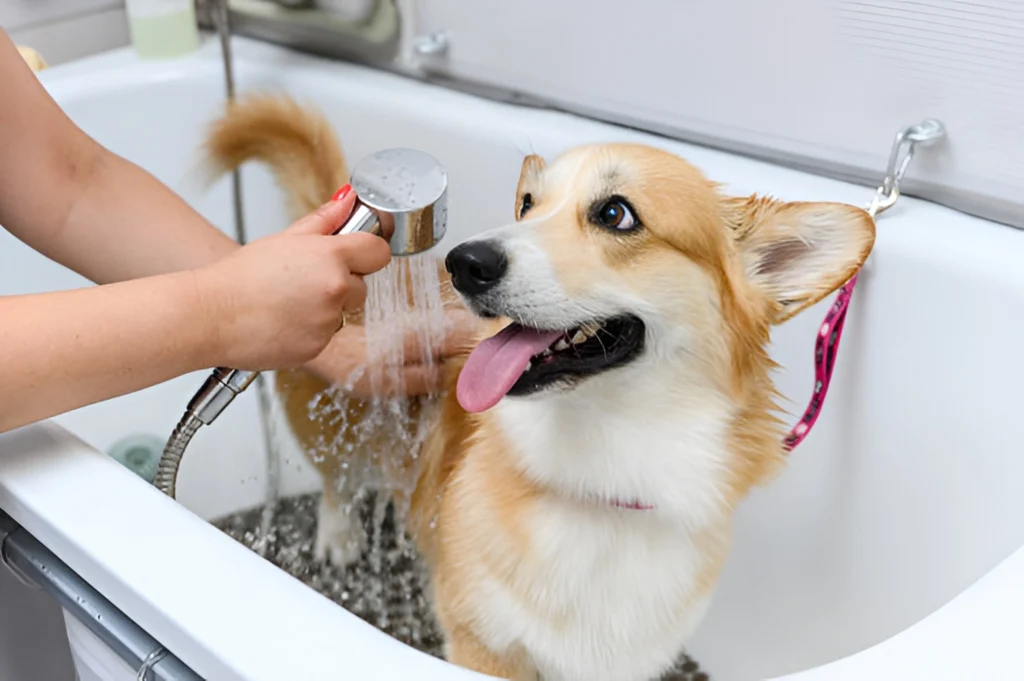
Dog grooming, on the other hand, tends to be more involved. Dogs don’t groom themselves the way cats do, so regular brushing, bathing, and coat maintenance fall almost entirely on the owner or a professional groomer. Breed also plays a much bigger role in dogs: a short-haired Labrador needs far less maintenance than a Poodle or Shih Tzu, which may require haircuts every four to six weeks to prevent painful matting.
Grooming Frequency: Cats vs Dogs
Most cats do well with professional grooming every four to eight weeks, though this can stretch longer for short-haired cats that groom themselves effectively. Long-haired cats or senior cats that struggle to self-groom may need more frequent visits.
Dogs generally need grooming more often, especially breeds with continuously growing coats. Many owners follow these general guidelines:
- Short-haired dogs: every 8 to 12 weeks
- Medium-haired dogs: every 6 to 8 weeks
- Long-haired or curly-coated dogs: every 4 to 6 weeks
These are general ranges, and a professional groomer can recommend a schedule based on your pet’s specific coat and activity level.
Tools and Techniques Used
Because cats are smaller and often less tolerant of handling, cat grooming relies on gentler tools and shorter sessions. Groomers typically use soft slicker brushes, fine-tooth combs for mats, and quiet, low-stress clippers for nail trims. Sessions are often kept brief to reduce stress, since cats can become anxious more quickly than dogs during handling.
Dog grooming usually involves a wider range of tools and longer sessions, particularly for breeds that need haircuts. Groomers use de-shedding tools, clippers for specific cuts, bathing systems suited to different coat types, and drying equipment to prevent matting after a bath. Dogs generally tolerate longer grooming sessions better than cats, which allows for more thorough coat work in a single visit.
Behavioral Differences That Affect Grooming
Cats tend to be more sensitive to unfamiliar environments and handling, so cat grooming services often emphasize a calm, low-stress approach, sometimes including separate cat-only grooming areas away from dogs. Many cats also resist water more than dogs do, so baths are used sparingly and only when necessary.
Dogs are usually more adaptable to grooming routines, especially when introduced early and groomed regularly. Consistent dog grooming services help dogs become more comfortable with handling over time, which is one reason many owners start professional grooming while their dog is still young.
Dog Grooming Tips for Owners
A few simple dog grooming tips can help maintain your dog’s coat between professional visits: brush regularly based on coat type, check ears and paws for debris after outdoor walks, and introduce grooming tools gradually if your dog is anxious about handling. Staying consistent between appointments makes each professional grooming session faster and less stressful for your dog.
Choosing the Right Grooming Service for Your Pet
Whether you need cat grooming or dog grooming, look for a groomer experienced with your pet’s specific breed and temperament. Ask about their approach to anxious or first-time pets, what products they use, and how they handle mats or skin sensitivities. A good groomer will also recommend a realistic schedule rather than pushing unnecessary visits.
About TX Wellness
TX Wellness offers professional cat grooming and dog grooming services designed around each pet’s breed, coat type, and temperament. The team takes a calm, patient approach to handling, helping nervous pets feel comfortable while delivering thorough, breed-appropriate grooming for cats and dogs alike.
Frequently Asked Questions
How often should I schedule cat grooming?
Most cats do well with professional grooming every four to eight weeks, though long-haired or senior cats may need it more often.
Do all dogs need professional dog grooming?
Not all, but most benefit from it. Short-haired breeds need less frequent grooming, while long-haired or curly-coated breeds typically need it every four to six weeks.
Is cat grooming stressful for cats?
It can be if not handled properly, which is why many cat grooming services use a calm, quiet approach and keep sessions brief.
What’s included in typical dog grooming services?
Most dog grooming services include bathing, brushing, nail trims, ear cleaning, and a haircut if needed based on breed and coat type.
Can I groom my pet at home instead of using a professional?
Basic maintenance like brushing can be done at home, but professional grooming is recommended for nail trims, haircuts, and mat removal, especially for anxious pets.
Book Your Pet’s Grooming Appointment Today
Whether your cat needs a gentle brush-out or your dog is due for a full grooming session, TX Wellness is here to help. Contact tx wellness or visit our website to schedule an appointment and give your pet the care it deserves.