
Most pet owners in McAllen think about their dog’s health in terms of vaccines, heartworm prevention, and annual checkups. Dental care tends to sit at the bottom of the list or gets skipped entirely until there is an obvious problem. It is an easy thing to put off when your dog seems perfectly happy, is eating normally, and shows no obvious signs of discomfort.
The problem is that dental disease in dogs almost never announces itself clearly until it has already caused significant damage. By the time bad breath becomes impossible to ignore, or a dog starts dropping food, the disease has typically been progressing quietly for months or even years. Understanding how often your dog needs professional dental care and why it matters far beyond just clean teeth is very important for your pet’s health in the future.
Why Dental Health Affects Far More Than Your Dog’s Mouth
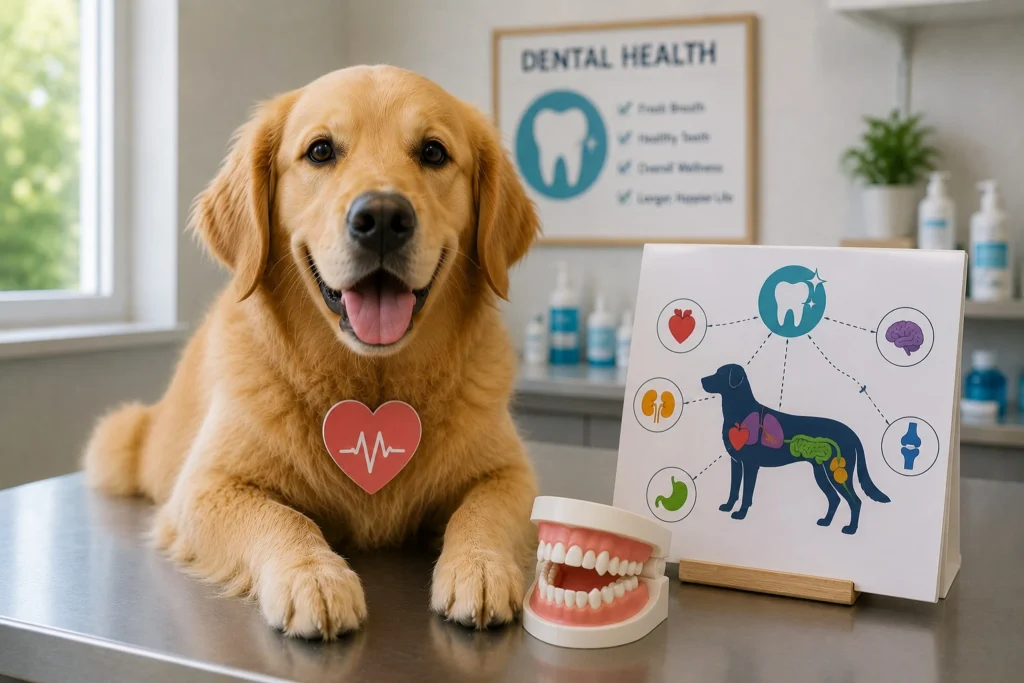
The connection between a dog’s mouth and the rest of their body is direct and well-documented in veterinary medicine. Plaque that is left to remain hardens to tartar.Tartar buildup leads to gum inflammation gingivitis which progresses to periodontal disease if left untreated. At that stage, bacteria have access to the bloodstream through inflamed and damaged gum tissue.
Once bacteria are in the bloodstream, they have access to organs like the heart, kidneys, and liver that cannot deal with a chronic bacterial load. Over time, these systems become irreparably damaged. Advanced dental disease makes it much more likely for a dog to suffer heart and kidney disease as they age and for these conditions to be even more difficult to manage. Studies support this.
This is why we never want to neglect our dogs’ dental health. It is the least expensive and most preventive measure towards more serious health issues that we are able to offer our dogs.
So How Often Does My Dog Actually Need a Professional Cleaning?
For most dogs, once a year is the standard recommendation and the right starting point. Annual professional dental cleanings align with current veterinary guidelines and provide the consistent maintenance needed to stay ahead of disease progression throughout a dog’s life.
The once a year guideline is more of a baseline than a hard rule. Many dogs (particularly certain breeds), older dogs, and dogs with a history of dental problems may require more frequent professional care. A small number of dogs with naturally slower tartar accumulation that have outstanding at-home dental care may be fine with annual professional care for their entire lives. The best frequency for your dog depends on many different factors.
What Factors Determine How Frequent Your Dog Needs aCleaning
Breed and Jaw Structure
Breed is one of the strongest predictors of how quickly dental disease will develop. Small and toy breeds are significantly more prone to dental problems than larger dogs not because of any difference in hygiene, but because their teeth are crowded into a smaller jaw. This crowding creates more surface area where plaque can accumulate and makes it harder for natural chewing behavior to keep teeth clean.
Breeds like Chihuahuas, Dachshunds, Yorkshire Terriers, Shih Tzus, and Maltese commonly develop significant dental disease earlier in life than larger breeds and often benefit from professional cleanings every six months rather than annually.
Flat-faced breeds Pugs, French Bulldogs, and Boston Terriers face similar challenges because their teeth are positioned in ways that create additional plaque-trapping surfaces.
Your Dog’s Age
Dental disease is progressive, which means it tends to worsen with each passing year without consistent professional management. A two-year-old dog in good dental health can often be well-maintained with annual cleanings. A seven or eight-year-old dog with years of accumulated tartar history may need more frequent attention to prevent ongoing deterioration.
Starting professional dental care early before significant disease develops gives each subsequent cleaning the best possible starting point and generally keeps the scope of work manageable throughout your dog’s life.
The State of Your Dog’s Teeth Right Now
If your dog has never had a professional cleaning or has gone several years between cleanings, their current dental condition is a significant factor in determining what schedule going forward should look like. Heavy tartar buildup, early gum disease, or evidence of existing tooth damage all suggest that more frequent professional care is needed at least in the short term to bring the situation under control before settling into a maintenance schedule.
How Consistently You Care for Their Teeth at Home
Regular at-home brushing slows the rate at which plaque accumulates between professional cleanings. Dogs whose owners brush their teeth several times per week consistently tend to maintain better dental health between annual visits than dogs who receive no at-home care.
That said, at-home brushing even when done diligently cannot replace professional cleaning. Tartar that has already hardened onto the tooth surface and bacteria that have penetrated below the gumline require professional tools and anesthesia to address properly.
Your Dog’s Unique Tartar Production
Some dogs produce more tartar-promoting saliva regardless of diet. Others factors such as breed and brushing habits do not impact saliva. If your dog develops a lot of tartar buildup a few months after a professional cleaning that is a sign that professional cleaning should be done more frequently rather than you cleaning more.
When to Get Your Dog Cleaned Professionally Before Scheduled Cleaning
Having professional dental cleaning done annually is a good baseline. Annual cleaning is the minimum professional cleaning; there are factors to watch for that indicate professional cleaning is needed before the next annual appointment. For the factors to watch for reference our page called Dental Exam Signs.
What a Professional Dog Dental Cleaning Actually Involves
Understanding why a professional cleaning is so different from at-home brushing helps explain why it cannot be replaced and why anesthesia is a necessary and safe part of the process.
A professional dental cleaning at Texas Wellness Spay & Neuter Clinic involves:
Pre-procedure health evaluation. Before any cleaning is performed, your dog is assessed by our veterinary team to confirm they are in appropriate condition to receive anesthesia. This step protects your dog’s safety and ensures the procedure goes smoothly.
General anesthesia. A dog that is awake cannot receive a complete or effective dental cleaning. Anesthesia allows the veterinary team to examine every tooth surface thoroughly, clean safely and completely below the gumline where the most damaging bacterial activity occurs, take dental X-rays when needed, and perform any necessary extractions all without stress, movement, or pain. This is the only way to perform a genuinely complete cleaning.
Scaling above and below the gumline. Professional instruments remove hardened tartar from all tooth surfaces, including the critical area beneath the gumline that brushing at home cannot reach and that causes the most serious long-term damage when left unaddressed.
Polishing. After scaling, teeth are polished to smooth the enamel. A smooth surface is significantly harder for new plaque to adhere to, which slows tartar accumulation after the cleaning.
Full oral examination. A thorough examination checks for signs of disease, damaged or loose teeth, abnormal tissue, and any issues that may not be visible to the naked eye. Dental X-rays, when taken, reveal what is happening beneath the gumline and inside tooth roots often the location of the most serious disease.
Extractions and treatment as needed. If teeth are too damaged or diseased to save, extraction is performed during the same procedure. Leaving a damaged tooth in place is not a neutral option it continues to harbor bacteria and cause pain.
Post-procedure guidance. Before you take your dog home, our team will walk you through what to expect during recovery and provide recommendations for at-home care to protect their teeth between future cleanings. For a complete walkthrough of what the procedure involves from start to finish, visit our guide on the Dental Cleaning Process.
Is Anesthesia Safe for My Dog?
Concern about anesthesia is one of the most common reasons pet owners delay professional dental care, and it is a completely understandable one. The important context is that modern veterinary anesthesia is very safe when properly administered, and the risks of untreated dental disease systemic bacterial infection, organ damage, and chronic pain are far greater than the well-managed risks of an anesthetic procedure in a healthy dog.
At Texas Wellness Spay & Neuter Clinic, every dog is individually evaluated before their dental cleaning. Our experienced team monitors vital signs continuously throughout the procedure and follows established safety protocols to ensure your dog’s comfort and wellbeing from start to finish.
It is also worth understanding why anesthesia-free dental cleanings sometimes offered as an alternative are not an adequate substitute. Without anesthesia, it is impossible to clean safely or effectively below the gumline, examine the full mouth thoroughly, or take dental X-rays. Anesthesia-free cleanings address only the visible surfaces of the teeth and leave the most damaging areas of disease completely untouched. They are not recommended by veterinary dental specialists as a replacement for professional care.
Things You Can Do at Home in Between Cleanings
You still need to take your dog to the vet for regular professional cleanings, but you can do things in addition to brushing your dog’s teeth that help your dog’s oral health in a big way and help your dog’s teeth stay clean longer between professional cleanings.
The best thing you can do for your dog at home is regular brushing. You can get a special dog toothbrush and dog toothbrush. Be sure to NOT use a human brush and toothpaste because they have fluoride which is poisonous to dogs.
and should never be used. Brushing several times per week is significantly more effective than occasional brushing consistency is what matters.
Dental chews, water additives, and dental diets that Veterinary Oral Health Council Seal of Acceptance products for plaque control are available. These products are offered as a supplement to brushing and are not meant to replace brushing.
Starting at-home dental habits when your dog is a puppy makes the routine far easier to maintain than introducing brushing to an adult dog who has no experience with it.
The South Texas Factor Why Dental Care Matters Especially Here
Pet owners in McAllen and throughout the Rio Grande Valley deal with heat and humidity year-round. While this does not directly cause dental disease, the same warm climate that extends flea, tick, and mosquito season also means dogs are active outdoors more consistently throughout the year interacting with other animals, chewing on sticks and outdoor items, and generally having more year-round exposure to environmental factors that can affect oral health.
More practically, the large and active pet population in South Texas through dog parks, boarding facilities, groomers, and community events means dogs are around other animals more frequently. Staying current on all aspects of wellness care, including dental health, keeps your dog in the best possible condition for their active South Texas lifestyle.
Frequently Asked Questions
When should my dog have their first dental cleaning?
Puppy wellness visits should include a dental evaluation for an early baseline. Most veterinarians would suggest the first professional cleaning occurs between ages two and three. However, the first cleaning should occur much sooner if any signs of periodontal disease or calculus buildup are noted. Small breed dogs tend to be at much higher risk and should likely start professional dental cleaning at an even earlier age.
Is once a year enough for small breed dogs?
For many small breed dogs, no. Small and toy breeds accumulate tartar faster and develop dental disease earlier than larger breeds due to tooth crowding. Many small breed dogs benefit from professional cleanings every six months, and your veterinarian can advise on the right frequency based on your specific dog’s dental condition.
My dog seems fine does he really need a dental cleaning?
Dogs are instinctively good at masking discomfort. Many dogs with significant dental disease continue eating, playing, and behaving normally while experiencing chronic oral pain and infection their owners have no idea is there. The absence of obvious symptoms does not rule out underlying disease.
How much does a professional dog dental cleaning cost in McAllen?
Texas Wellness Spay & Neuter Clinic offers affordable dental cleaning packages designed to make professional dental care accessible for every pet owner in McAllen and throughout the Rio Grande Valley. Contact our clinic directly for current pricing information.
How long will my dog need to recover after a dental cleaning?
Most dogs recover comfortably within twenty-four hours. They may be a little quieter than usual the day of the procedure because of aesthesia wearing off, but most are back to normal energy and eating by the following day. Specific post-procedure instructions will be provided before you take your dog home.
Can I bring my dog in as a walk-in for a dental evaluation?
Walk-in wellness evaluations are available at Texas Wellness Spay & Neuter Clinic. For dental cleaning procedures, scheduling an appointment in advance is recommended to ensure your dog receives the appropriate pre-procedure assessment and that the team is prepared for the full procedure.
The Earlier You Start, the Easier It Stays
The single most consistent pattern in veterinary dental care is these dogs whose owners begin professional cleaning routines early, before significant disease develops, have simpler and more affordable cleanings throughout their lives. Each visit starts from a better baseline, there is less disease to address, and the long-term health outcomes are measurably better.
Waiting until a problem is obvious means starting from a more advanced state of disease which often means more extensive treatment, higher costs, and more recovery time than would have been needed with earlier and more consistent care.
If your dog has never had a professional dental cleaning, or if it has been more than a year since their last one, now is the right time to schedule an evaluation.
Schedule Your Dog’s Dental Cleaning at Texas Wellness Spay & Neuter Clinic
At Texas Wellness Spay & Neuter Clinic in McAllen, we provide safe, thorough, and affordable professional dental cleanings for dogs at every life stage. Our experienced veterinary team, led by Dr. Amber Valinski, DVM, evaluates every dog individually before the procedure and provides complete care above and below the gumline because we believe every pet in McAllen and the Rio Grande Valley deserves access to quality dental care regardless of budget.
Whether your dog is due for their first cleaning or long overdue for one, we are here to help.
Final Thoughts
For most dogs, once a year is the right starting point for professional dental cleanings. For small breeds, senior dogs, and dogs with a history of rapid tartar buildup, more frequent care every six months makes a meaningful and lasting difference in long-term oral and overall health.
The key is not waiting for obvious symptoms before acting. Dental disease progresses silently, and the dogs that fare best are the ones whose owners prioritize consistent professional care before problems become serious.
Contact Texas Wellness Spay & Neuter Clinic today and give your dog the dental care they deserve