
Quick Answer: A mobile veterinary clinic brings vaccinations, wellness exams, and basic procedures directly to communities that are far from a traditional animal hospital. For rural pet owners, this means less travel time, lower stress for the animal, and easier access to routine and preventive care that might otherwise be skipped due to distance.
Access to veterinary care looks very different depending on where a pet owner lives. In cities, a clinic might be a short drive away. In rural areas, the nearest animal hospital can be an hour or more, which often means routine care gets delayed or skipped entirely. Mobile veterinary services are changing that by bringing essential, hands-on care directly to smaller towns and farming communities.
The Access Gap in Rural Areas
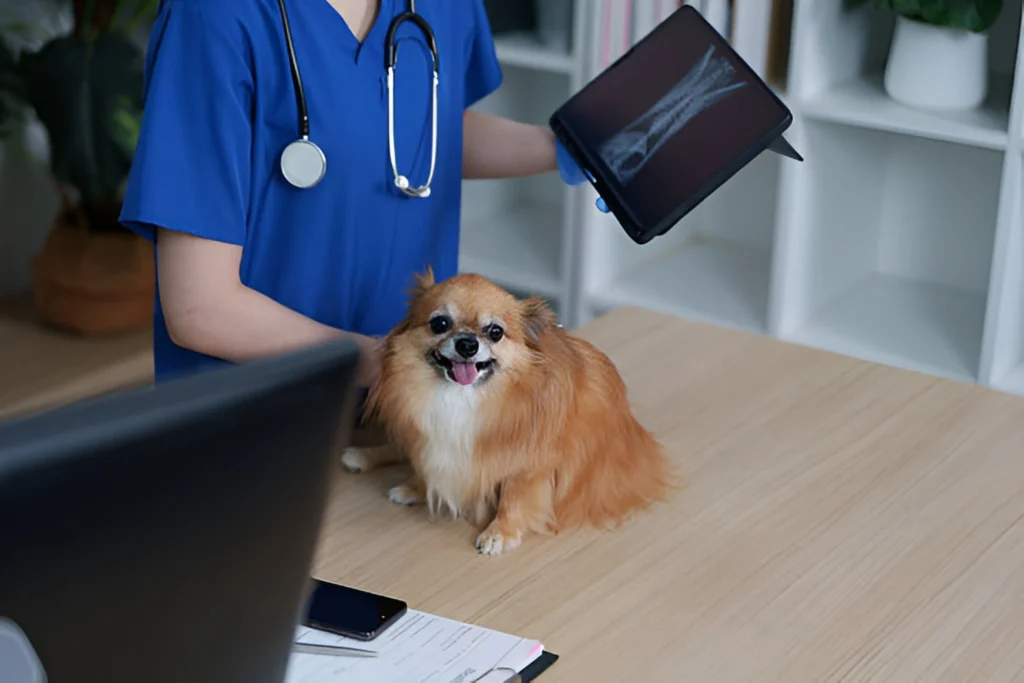
Rural communities frequently have fewer veterinary clinics per resident than urban areas, and many small towns have lost their only local vet to retirement or relocation without a replacement. This leaves pet owners with a difficult choice: drive long distances for basic care or skip it altogether.
What This Type of Care Actually Offers
A mobile veterinary clinic typically operates out of a specially equipped vehicle that travels to different towns or community locations on a set rotation. Services commonly include:
- Core and non-core vaccinations
- Wellness exams and checkups
- Parasite prevention and deworming
- Microchipping
- Minor wound care and basic diagnostics
- Spay and neuter scheduling or referrals
While a traveling clinic isn’t equipped for major surgery or emergency trauma care, it covers the majority of preventive and routine needs most pets require throughout the year.
Benefits for Rural Pet Owners
Less travel and lower stress. Long car rides can be stressful for both pets and owners. Bringing services closer to home cuts down on that stress.
More consistent preventive care. When a vet visit doesn’t require a half-day trip, pet owners are far more likely to keep up with annual vaccinations and checkups on schedule.
Community-based scheduling. Many mobile clinics post their travel schedule in advance, so residents can plan around visit dates the same way they would a regular appointment.
How This Fits Into a Pet’s Overall Care
A mobile pet veterinarian isn’t meant to replace a full-service animal hospital entirely. Instead, it works alongside one, handling routine visits while referring more complex cases, surgeries, or emergencies to a fully equipped facility. This hybrid approach gives rural pet owners consistent access to preventive care while still having a path to specialized treatment when needed.
Choosing Between Mobile and Traditional Veterinary Care
Some situations call for a traditional clinic visit rather than a traveling service: emergency or trauma care always requires a full-service hospital with surgical capability, ongoing chronic conditions often benefit from continuity with one dedicated veterinarian, and advanced diagnostics like imaging or specialized bloodwork usually require a permanent facility. Routine wellness and preventive care, on the other hand, is generally well suited to mobile pet veterinary services.
What to Expect at a Mobile Clinic Visit
Most visits follow a similar pattern: arrive at the scheduled location, complete a short intake form, and have the pet examined by a licensed veterinarian or technician. This kind of care usually means vaccinations and basic treatments are administered on the spot, with any follow-up needs communicated clearly before leaving.
Bringing prior medical records, if available, helps the visiting team provide more accurate, personalized care during a shorter appointment window.
The Bigger Picture for Rural Communities
Beyond individual pet visits, these traveling services play a larger role in public health for rural areas. Widespread, affordable vaccination access helps control the spread of preventable diseases like rabies and parvovirus across a community, not just within a single household.
For many small towns, a recurring visit from a traveling clinic has become one of the few consistent points of access to professional animal care, filling a gap left by clinic closures and veterinarian shortages that have affected rural regions across the country in recent years.
About Texas Wellness Spay & Neuter Clinic
Texas Wellness Spay & Neuter Clinic is a family owned and operated wellness clinic based in McAllen, Texas, led by Dr. Amber Valinski, DVM, who brings over a decade of veterinary experience. In addition to in-clinic wellness services and spay and neuter surgery, the clinic runs traveling wellness clinics that bring vaccinations, parasite prevention, and routine care closer to communities throughout the region.
Frequently Asked Questions
Is mobile veterinary care as thorough as an in-clinic visit?
For routine services like vaccinations, wellness checks, and parasite prevention, yes. More involved procedures still require a fully equipped hospital.
How do I find out when a traveling clinic is visiting my area?
Most clinics post their travel schedule on their website or social media pages, and many also share dates through local farm supply stores or community boards.
Are prices different at a mobile clinic compared to a regular vet office?
Pricing varies by provider, but mobile veterinary services often have lower overhead, which can make routine care more affordable for pet owners.
Can a mobile veterinary clinic handle emergencies?
Generally no. Emergencies and major surgeries still require a full-service animal hospital with the right equipment and staff on hand.
Ready to Schedule Care for Your Pet?
Contact Texas Wellness Spay & Neuter Clinic to check upcoming traveling clinic dates or book an appointment for your pet.