
Every pet owner knows how stressful a trip to the veterinarian can be. Cats often become anxious as soon as they enter a carrier. Dogs may feel nervous during the drive and become uncomfortable before they even reach the clinic. Once inside the waiting room, pets often encounter unfamiliar sights, sounds, and other animals. As a result, many pets feel stressed before their examination begins. This stress can increase heart rate and blood pressure, leaving pets tired and uncomfortable after the visit.
Many pet owners face this challenge. In some cases, the stress of clinic visits causes them to delay routine veterinary appointments. Unfortunately, delayed care can allow health issues to worsen before a veterinarian identifies them. A pet mobile vet offers a more comfortable alternative. By providing care at home, the veterinarian helps pets stay calm and relaxed. Because the examination takes place in a familiar environment, pets often behave more naturally, allowing the veterinarian to evaluate their health more accurately.
The evolution of pet mobile veterinary services transformed what was originally thought of as a convenience service into a delivery model that suits certain pet patients and pet owners better than the classic method of going to a regular clinic. This guide highlights the information about what pet mobile veterinary services entail, who can take advantage of them, how travel clinics expand the geographical reach compared to traditional clinics, and tips for choosing mobile veterinarian services for your pet.
What Are Pet Mobile Vet Services?
Pet mobile vet is a veterinarian who provides services for clients at their locations instead of the conventional requirement to come to the vet clinic. In other words, it means that your pet receives care via mobile units equipped with necessary equipment or through home visits. All mobile veterinarians perform the typical set of services provided by any professional veterinary clinic to its clients.
The difference between a pet mobile vet and a vet that uses a van lies in the delivery model rather than in the type of service itself. Mobile veterinarians perform services according to the standards of professional veterinary practice, including using professional equipment and following the procedures prescribed. However, in comparison to regular clinics, the place of service makes a difference in terms of how patients react to the treatment and what their condition is like during appointments.
Mobile vet services will not include the possibility of having your pet undergo surgery and take advantage of advanced imaging tools that traditional clinics offer. The inability
does not detract from the quality of services that can be provided in the setting of a clinic or practice. On the contrary, the fact that there is no advanced technology and infrastructure available helps pet owners and patients relax and focus on what is going on during treatment.
What Does a Pet Mobile Vet Do?
Imaging, emergency care, and more complex procedures like intensive medical management or surgical interventions require specialized technology and facilities. A pet mobile vet clinic functions ideally as the primary care provider for pet animals – conducting routine examinations, performing vaccinations, parasite control, minor treatments and monitoring overall health – with clear referral relationships established with full-service clinics for the other veterinary procedures and treatments that require facilities.
It is certainly not a limitation on care. This kind of arrangement is a realistic and practical way of providing most of the veterinary care for pets in the most convenient and least stressful format possible, while remaining within reach of comprehensive veterinary medicine whenever needed.
The Stress Reduction That Changes Everything
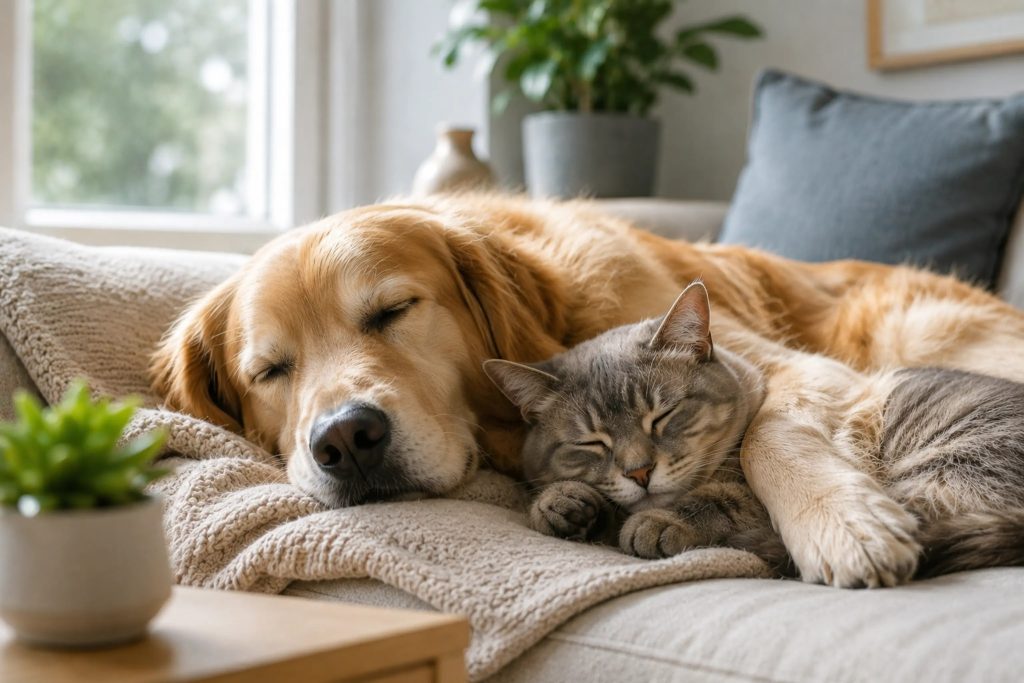
This image represents pet mobile veterinary services that bring professional veterinary care directly to a pets home or community location. It highlights wellness exams, vaccinations, preventive care, stress-free veterinary visits, senior pet care, multi-pet household convenience, and the benefits of mobile veterinary clinics for pets and their owners.
In terms of pet health care, perhaps the biggest benefit of a pet mobile vet service is that it helps reduce stress experienced by patients when they come to visit. Stress is important not just because it is uncomfortable for animals but also because it affects their physiology negatively and makes it harder for veterinarians to make correct diagnoses.
How Clinic Stress Influences the Diagnosis Process
Stress reactions include heightened heart rate, raised blood pressure, different breathing rhythm, muscular tension and behavior alterations. If animals find the atmosphere of a veterinary clinic scary or threatening, all of these reactions will take place during the process of examination, and they are likely to interfere with proper readings taken by the doctor.
If your pet has normal heart rate of 140 bpm at home but reaches 220 bpm under stress in the exam room, then obviously the numbers don’t give you true information. Similarly, if your dog has normal blood pressure readings at home but high levels when measured in the veterinary clinic, this could lead to further investigations into potential problems that do not really exist. And the pet mobile vet who performs the exact same measurements on the patient’s premises gets more accurate results.
The Cats That Never Come In
Humanized Part
The feline species represents the group of patient populations in which the stress associated with a visit to the veterinarian is the most pronounced. The carrier fear, the stress of the journey, the Odors associated with being near other animals, especially dogs, at the reception desk, and the sheer mismatch between what goes down in a veterinary clinic visit and the cat’s inherent tendency towards environmental control come together to create a population of cats whose owners actively seek to take them to veterinarians on schedule but simply cannot do it.
The pet mobile vet who performs an exam on a cat at its home removes all those stress-inducing components and ensures that the patient receives quality care while experiencing minimal stress. In this case, it will be possible to examine a cat in the environment with which it feels comfortable, in the house where it has always lived, on the furniture where it spends its days. The likelihood of the owner keeping another appointment in the future will be much higher as well.
Dogs With Veterinary Anxiety
Dogs with strong anxiety about a visit to the veterinarian suffer from physiological changes caused by the anxiety response even when the examination is performed by an experienced veterinarian. Sedation might be necessary to examine such dogs in a clinic environment. A pet mobile vet who checks up the same dog in a familiar environment might not need to resort to sedation because the source of the anxiety he clinic does not exist.
For Whom Are Pet Mobile Vet Services Best Suited?
It is possible to argue that pet mobile vet services are relevant for any type of pets, but in certain patient populations, it becomes clear that they offer a truly unique advantage over the traditional clinic visits.
Senior Pets
In senior pets, physiological reserve is reduced, which means that the effect that visiting a veterinarian has on their well-being is magnified compared to the same effect experienced by younger, healthier patients. Arthritic dogs have difficulties moving around, which means that the car trip, the stress associated with going into the clinic, and the examination table become additional physical stress factors. Senior cats with thyroid problems or kidney disease are likely to experience more physiologically intense effects of stress because of their poor state of health.
Pet mobile vet service helps eliminate all those negative factors and allow for better follow-up care. Regular checkups that happen three to six months apart and track progression of the disease and efficacy of the prescribed treatment become realistic for aging pets.
Pets Recovering from Surgery or Illness
Pets that are recovering from surgery or a serious illness need plenty of rest, limited physical activity, and as little stress as possible. Taking them back to a veterinary clinic for follow-up appointments often exposes them to the very conditions that recovery plans are designed to avoid. A pet mobile vet can perform the same follow-up examination in the comfort of the pet’s home, allowing recovery to continue without unnecessary disruption.
Tasks such as wound evaluations, suture inspections, drain monitoring, and assessments of pain levels and overall comfort can all be handled effectively by a pet mobile vet during a home visit. The pet remains in a familiar setting, and the recovery process continues without the added stress of transportation and clinic visits.
Owners With Mobility or Transportation Limitations
Many pet owners face real challenges when it comes to getting their pets to a clinic. Elderly individuals, people with physical disabilities, and those without dependable transportation often struggle with the logistics involved in traditional veterinary appointments. Pet mobile vet services eliminate these obstacles by bringing veterinary care directly to the home.
For older pet owners especially, managing a large or anxious pet, driving to a clinic, finding parking, and navigating a veterinary facility can become overwhelming. A pet mobile vet removes these challenges completely, making it easier to maintain consistent veterinary care for their pets.
Multi-Pet Households
Families with multiple pets often face a complicated process when scheduling veterinary visits. Several carriers, multiple animals needing transportation, and crowded waiting rooms can turn a simple appointment into a major task. A pet mobile vet can examine all pets during a single home visit, greatly simplifying the process.
Having every pet seen in one appointment not only reduces stress for the animals but also saves significant time for the owner. Instead of arranging several clinic trips, one visit can address the healthcare needs of the entire household. The convenience becomes even more valuable as the number of pets increases.
The Travel Clinic Model: Expanding Access Beyond Individual Home Visits
The travel clinic model extends the benefits of pet mobile vet services beyond individual households, helping provide veterinary care to communities that may otherwise have limited access to professional animal healthcare.
Travel clinics are planned veterinary clinics held in a communal setting a parking lot, community center, pet store, park or a certain amount of time. The veterinary professional or team brings the necessary equipment and supplies to the community setting and conducts examinations and treatments on pets brought by their owners to this venue within the timeframe of the clinic session.
While travel clinics fulfil a function distinct from that of home visits, which represent another element of the mobile pet veterinary practice, both travel and home visits provide a service alternative to the standard clinic-based practice. While the home visit serves the needs of the individual pet and the pet owner who benefit most from an at-home examination, travel clinics offer veterinary care in settings that make accessing a veterinary clinic difficult due to geographic, transport, or financial reasons.
Access to Veterinary Care in Communities and Underserved Populations
There are various types of communities’ rural communities, economically underserved cities or districts, communities lacking efficient public transport services that cannot easily access full-service clinics as part of their normal veterinary service routine because of distance, lack of transportation, and/or cost. However, the preventive care requirements for pets living in such communities are equal to those of pets in communities where access to clinics is abundant. Travel clinics provide that access to preventive veterinary care at a community venue where it will not be necessary to travel to access a traditional clinic. Vaccinations, microchip implants, tests for worms and fleas can be conducted at a travel clinic in a convenient setting.
The public health implications of having a travel clinic at the disposal of a community lie beyond providing care for each individual pet served. Rabies vaccinations for all animals in a community decrease risks for rabies infection for both animals and people. Pet parasite treatment decreases the likelihood of transferring parasitic infections from pets to people. In other words, a travel clinic increases the number of pet vaccinations and treatments, creating an improvement for public health that goes beyond the number of pets treated.
High-Volume Prevention Treatments
Travel clinics are especially efficient in delivering preventative treatments in high volumes because of reduced overheads involved, because the need for thorough clinical examinations before conducting vaccinations and other procedures can be avoided, and because many pets benefit from affordable treatment available due to reduced clinic overhead.
As mentioned above, the reduced overhead of a travel clinic compared to that of a regular clinic makes preventive care more affordable, increasing accessibility for budget-constrained owners. Vaccinations and microchips are provided at travel clinics to pets whose owners might not take them to a conventional vet clinic because of prohibitive costs.
Spay and Neuter Treatment
Traveling pet clinics that incorporate spaying and neutering into their list of offerings help to solve one of the greatest barriers to proper pet population control in communities that lack financial means – availability of spaying and neutering. Mobile clinics that provide spaying and neutering services help to lower the number of pets born without planning and, therefore, the burden of shelter population.
If a traveling mobile surgical clinic is equipped with a qualified team of veterinary surgeons, it can provide spaying and neutering of the same quality as a regular pet clinic. The fact that these procedures can be done using mobile clinic provides access to these services to people and communities that cannot access other clinics.
Pet Mobile Services What Are They All About?
Pet mobile vet service providers differ in terms of the kinds of services they offer depending on the equipment and staff members involved in the process. Knowing what a regular pet mobile vet service provider does can help one set appropriate expectations from home visits or traveling clinics.
Wellness Examination
Regardless of whether you visit a clinic or arrange for a veterinarian’s home visit, a full physical examination is the first step that has to be taken in order to examine your pet. Each major body system is examined by a veterinarian in a systematic manner in order to determine the baseline which could serve as a reference point to future visits and observations.
Home-based examination allows one to establish the true clinical baseline, which is unaffected by transport and stress associated with a clinic visit. Such an examination allows veterinarians to get more accurate information about a pet, including heart rate, breathing rate, blood pressure levels, and the general behaviour of a cat or dog.
Vaccinations
Vaccinations take place according to the same schedules and using the same types of vaccines that are used in clinics. Core vaccinations, which involve vaccinations against rabies, DHPP vaccinations in the case of dogs, and FVRCP vaccinations for cats are offered by most pet mobile vet services. Home vaccinations allow for a more reliable observation of post-vaccination effects since the stress factor is eliminated in this case.
maintaining current vaccination status straightforward rather than logistically challenging.
Prevention and Parasite Screening
The administration of medication to prevent heartworm disease, the checking of faces for intestinal parasite eggs, and the collection of samples to test for parasitism are common services performed by a mobile veterinary health service provider. These services are convenient because there will be no need to make two more trips to separate locations to maintain current parasite prevention.
Diagnostic Services and Minor Treatments
Routine blood sampling and analysis, including wellness panels and urinalysis; minor procedures like skin cytology; and even the performance of minor treatments, such as clipping and cleaning ears, trimming nails, treating wounds, and expressing anal glands, can easily be done during a home visit. Laboratory sample results gathered by the pet mobile vet during the house call will come out as quickly as those that are taken at a veterinary hospital.
End-of-Life Care
There is one aspect of pet mobile vet service that always gets positive reviews when mentioned in online customer reviews. This is when pets are put to sleep in their own home environment. When pet owners can say their goodbyes to a dying animal surrounded by people who loved it and, in an environment, familiar to them, the experience becomes more dignified and humane.
Characteristics of an Excellent Mobile Veterinary Health Service Provider
The quality of pet mobile vet care depends on three key factors: the veterinarian’s qualifications, available equipment, and overall service approach. Before choosing a provider, make sure they meet the following standards.
Qualifications of the Mobile Vet Provider
A licensed veterinarian should perform all pet mobile vet services. Veterinary technicians should only work within their approved scope of practice. Pet owners should also avoid services provided by unlicensed individuals. Always verify that the veterinarian holds a valid license and is authorized to practice in your state.
Equipment Necessary to Provide the Services
Most home visits require basic examination tools and vaccines. However, some services need additional equipment, such as blood pressure monitors, diagnostic tools, and treatment supplies. Before booking an appointment, ask whether the provider has the equipment needed for your pet’s specific healthcare needs. This simple step can prevent delays and unnecessary follow-up visits.
Emergency Protocols
A pet mobile vet should have a clear emergency plan. During a home visit, the veterinarian may identify a condition that requires advanced testing or immediate treatment. In these situations, the provider should know where to refer the pet and how to transfer medical information quickly. Ask about emergency procedures before scheduling a visit. A reliable provider will explain the process and ensure your pet receives appropriate care if an emergency occurs.
Record Keeping
A professional pet mobile vet keeps detailed medical records for every patient. These records should include examination findings, vaccination history, diagnostic results, treatments provided, and follow-up recommendations. Complete records help other veterinary professionals provide seamless care when surgical or emergency services become necessary. Accurate documentation also allows your pet mobile vet to monitor your pet’s health over time and deliver consistent care.
Why Texas Wellness Center Makes Pet Mobile Vet Care Easy Option
Finding a good pet mobile vet service when your pet’s stress reaction prevents him from getting necessary care in a regular veterinary office or you want to save a senior pet from unnecessary transportation or, due to your own busy schedule, keep putting off appointments for too long is a time consuming task. Texas Wellness Center offers its clients easy access to all kinds of pet mobile veterinary services that allow them to take care of pets in the comfort of their homes without sacrificing the quality of the care received.
Whether your pet requires a wellness exam, vaccinations or preventive care at home, travels abroad or requires special end of life care – we’ll help you with your pet mobile veterinary needs.
Texas Wellness Center Offers Pet Mobile Vet Services
that treat each patient as an individual whose comfort and clinical accuracy matter rather than as an appointment to be processed.
You get licensed veterinary care delivered by professionals who understand both the clinical and the practical dimensions of what pet mobile vet service should provide, clear communication about what the examination found and what follow-up is
It is not unusual for veterinarians who practice out of clinics to travel with a team in some cases when it is convenient and recommended, and it provides the owner with confidence knowing that their pet’s needs will be addressed by medical professionals whose professional standards remain intact despite where the examination takes place.
Texas Wellness Center understands that there are many pet owners dealing with a great deal of stress trying to bring a pet who deserved more than a difficult clinic experience into a veterinarian office, and our pet mobile vet services provide the solution so that another deferred appointment can never result in a serious health concern again.
Final Thought
There are some pets that deserve something different than a traditional veterinarian clinic visit. For the cat who cannot handle a clinic environment or the older dog with arthritis who may be in pain while in transport, or for the multiple pet households who find it challenging to fit clinic appointments into their lives and communities where clinics are less accessible, the need remains but the solution is not obvious.
The pet mobile veterinary model provides the answer that is both practical and necessary, offering the same level of professionalism and thoroughness as the clinic experience, and a more accurate clinical picture in many cases since the examination happens in the pet’s environment. The care provided continues to meet the professional standards that veterinarians are expected to maintain regardless of the setting.
Mobile clinics that are able to offer quality preventative care to communities where clinic access is limited provide the benefits to public health that are an important part of the profession’s mandate, and a pet mobile vet home visit allows pets who avoid clinics a chance at receiving the care they require. It provides personal health benefits in terms of maintaining good health that years of clinic avoidance were not achieving.
The health of a pet should always be the goal, and the best way of achieving that in a given situation is what should determine the method of care employed. That might be a traditional clinic, it could be a pet mobile vet home visit, or it could be mobile clinic services in parking lots reaching those patients and communities that needed them the most.
Your pet’s health shouldn’t depend on a clinic visit → txwellness.com
One Response
Comments are closed.